Black hole populations
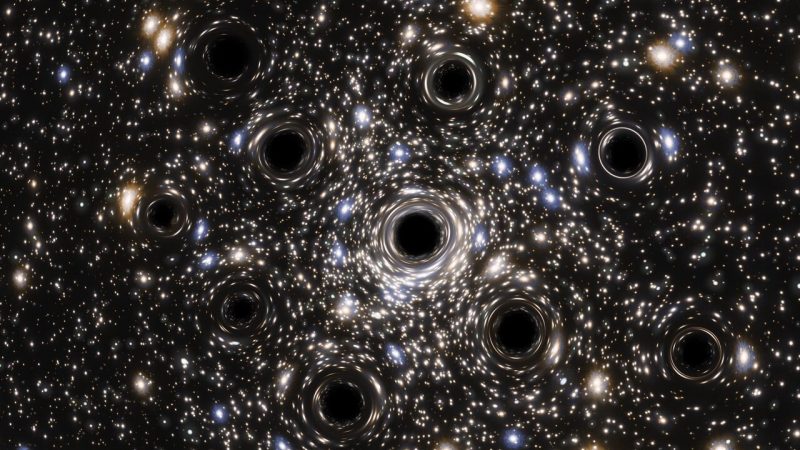
With hundreds of gravitational-wave detections on hand, we now have sufficient data to conduct a large-scale census of the black hole and neutron star population, asking questions like:
- What is the overall distribution of compact object masses?
- How rapidly do compact objects spin, and in which directions?
- And how does the prevalence of compact binary mergers evolve over cosmic time?
These and other questions are answered via careful statistical inference with large, noisy, and incomplete catalogs of gravitational-wave data.
Selected papers
The stochastic background
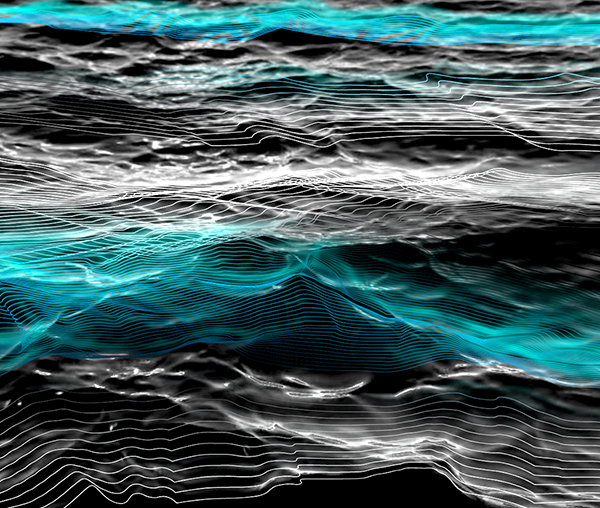
For every nearby and loud gravitational-wave source, there are a multitude more in the distant Universe. Although too quiet to individually detect, when taken together these objects yield a collective gravitational-wave hum: a stochastic background. The stochastic background is typically searched for in the form of a slight excess of correlated noise between widely separated detectors. Its detection (or even nondetection) can tell us about the nature of black holes at faraway corners of the Universe in the far distant past.
Selected papers
- A New Probe of Gravitational Parity Violation Through (Non-)Observation of the Stochastic Gravitational-Wave Background 2023
- Upper Limits on the Isotropic Gravitational-Wave Background from Advanced LIGO’s and Advanced Virgo’s Third Observing Run 2021
- Shouts and Murmurs: Combining Individual Gravitational-Wave Sources with the Stochastic Background to Measure the History of Binary Black Hole Mergers 2020
Compact binary formation channels
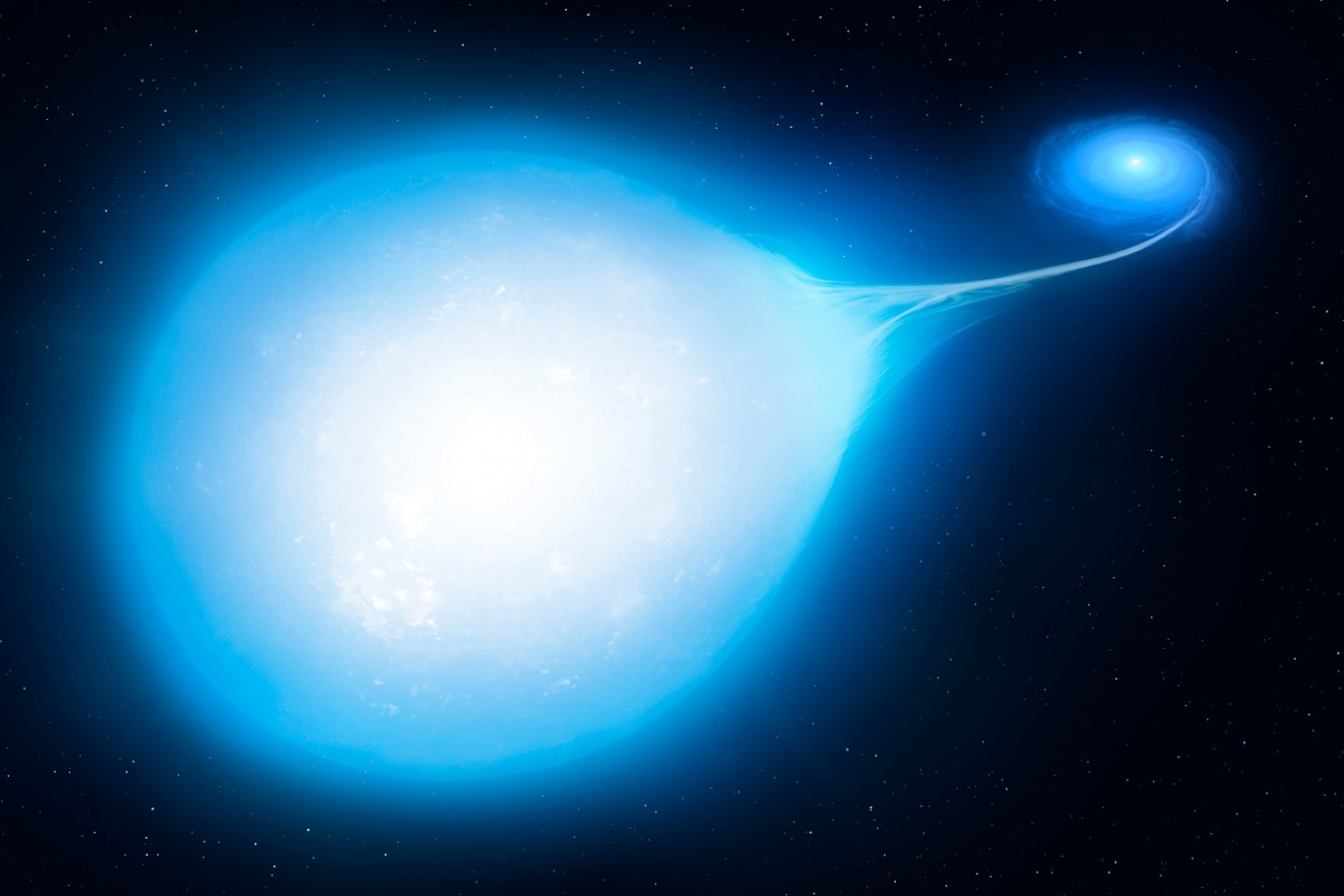
Although we now have observations of many hundreds of black hole mergers, the astrophysical environments in which these black holes form and the processes driving them to merger remain unknown. By studying the observed properties of merging black holes, either the characteristics of individual outliers or the collective traits of the black hole population, we can try to learn where and how black holes are born, the details of their environments, and maybe even something about their stellar progenitors.
Selected papers
- A Star Cluster Population of High Mass Black Hole Mergers in Gravitational Wave Data 2024
- The metallicity dependence and evolutionary times of merging binary black holes: Combined constraints from individual gravitational-wave detections and the stochastic background 2023
- State of the field: Binary black hole spins, natal kicks, and prospects for isolated field formation after GWTC-2 2020
Inference methods
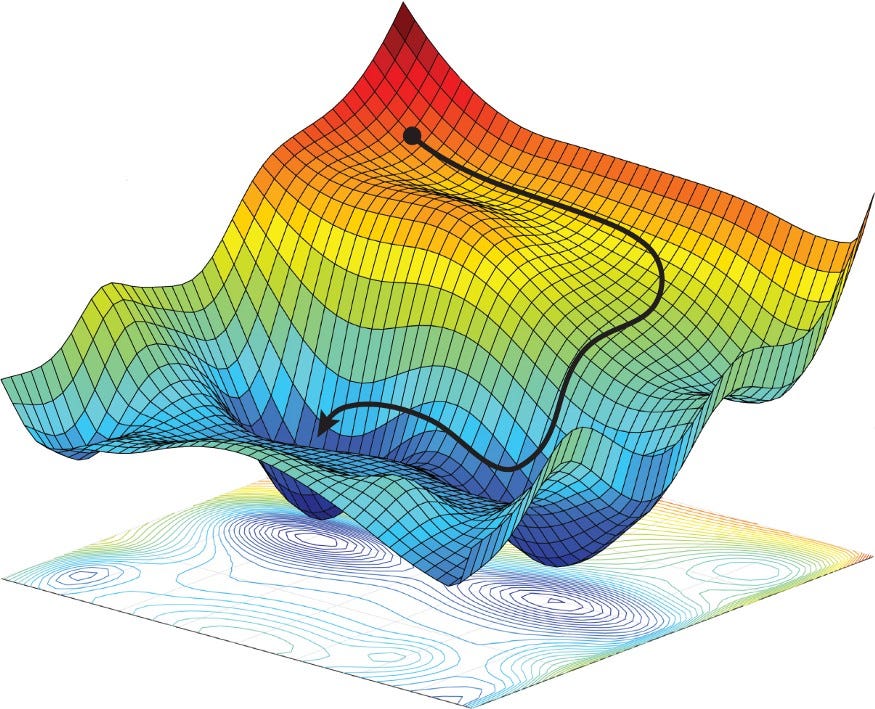
Gravitational-wave data analysis is challenging: we can make only noisy measurements of an incomplete and biased slice of an underlying unknown astrophysical population. As the number of gravitational-wave detections continues to balloon, new data analysis and inference methods prove key to extracting all available information from measured data.